

Some brands feel familiar the moment you meet them. You know what Nike stands for before the ad finishes, and you'd spot a LEGO campaign with the logo covered. A lot of that comes down to personality: a consistent character that shows up in every word, color and frame.
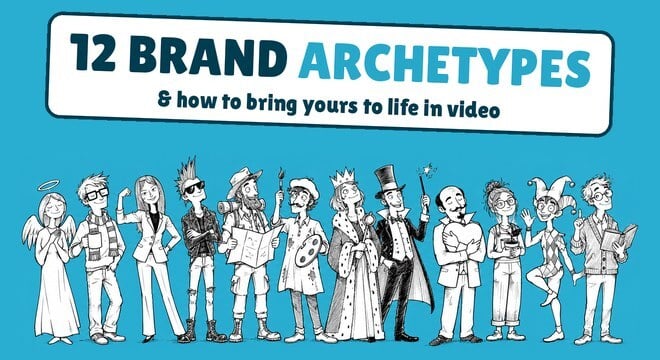
Brand archetypes give you a shortcut to finding that character. Below are the 12 classic archetypes, what each one promises its audience, and how each should look and sound in a video, so you can pick yours and put it to work.
Where brand archetypes come from
The idea starts with psychologist Carl Jung, who noticed the same characters turning up in myths and stories across cultures: the hero, the rebel, the wise teacher. In 2001, Margaret Mark and Carol S. Pearson adapted his ideas for marketing in The Hero and the Outlaw, and their 12 archetypes are now a standard tool in branding.
Treat them as a way to think, not a formula. Most brands lean on one archetype and borrow from a second. The value is in choosing on purpose, then staying consistent.
1. The Innocent
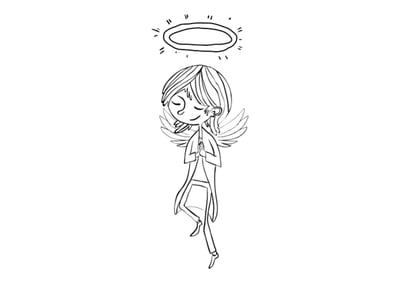
Wants: to be happy and do the right thing. Fears: doing something wrong.
Innocent brands promise simplicity. They're honest, optimistic and free of gimmicks, and their audience is put off by anything heavy-handed or guilt-inducing.
Examples: innocent drinks, Dove.
In video: soft, light colors and plenty of white space. A friendly rounded typeface. Gentle pacing, with nothing crammed onto the screen. A warm, conversational voiceover that never oversells.
2. The Everyman
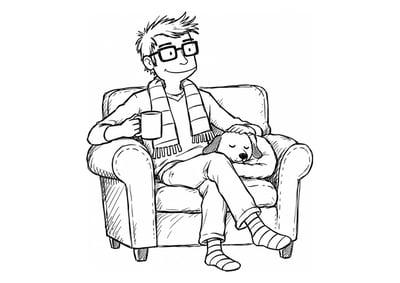
Wants: to belong. Fears: being left out or standing apart.
Everyman brands promise belonging. They're down to earth, dependable and unpretentious. The worst thing that can happen to them is to look greedy or elitist.
Examples: IKEA, Target.
In video: everyday scenes and relatable characters. Plain, clear type. A steady pace. A voice that sounds like a colleague explaining something over coffee.
3. The Hero
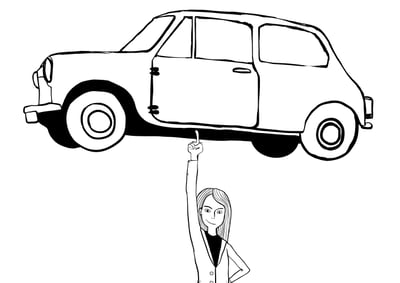
Wants: to prove their worth. Fears: weakness and failure.
Hero brands promise triumph. They position themselves as the best in their field and speak to people who want to perform, compete and win.
Examples: Nike, FedEx.
In video: bold, high-contrast colors and strong, heavy type. Short scenes that build toward a clear result. A confident, energetic voice.
4. The Outlaw
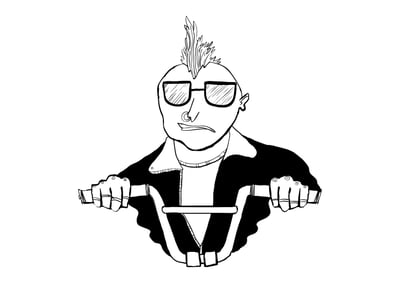
Wants: to break what isn't working. Fears: powerlessness.
Outlaw brands promise revolution. They stand against the mainstream, and their audience values anything that feels unconventional or a little defiant.
Examples: Harley-Davidson, Liquid Death.
In video: dark backgrounds with one sharp accent color. Rough or condensed type. Unexpected cuts and direct, provocative lines. A voice with attitude.
5. The Explorer
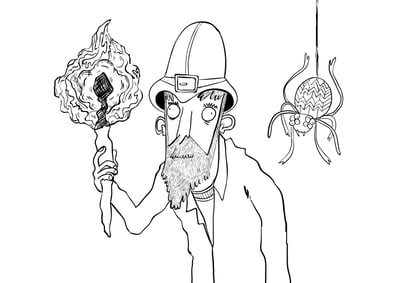
Wants: freedom and discovery. Fears: being trapped, or conformity.
Explorer brands promise freedom. They invite the audience on a journey, and they lose that audience the moment they sound rigid or corporate.
Examples: The North Face, Patagonia.
In video: earthy, outdoor palettes. Maps, routes and horizons. Camera moves that travel across a wide canvas instead of cutting between scenes. A calm, curious voice.
6. The Creator
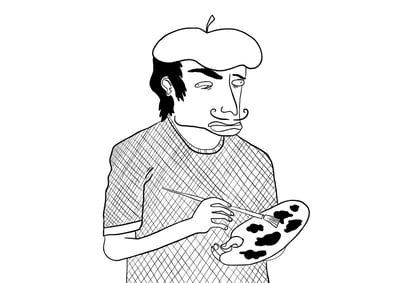
Wants: to make something that lasts. Fears: mediocrity.
Creator brands promise self-expression. Their audience is wary of advertising in general but responds to originality and craft. Nothing hurts a Creator brand more than looking inauthentic.
Examples: LEGO, Adobe.
In video: a distinctive palette and an expressive or hand-drawn typeface. Let the drawing itself be part of the story. A thoughtful voice that sounds like it made the thing.
7. The Ruler
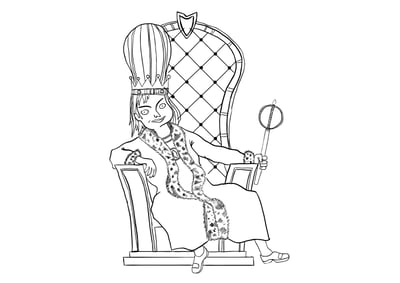
Wants: control and stability. Fears: chaos.
Ruler brands promise authority. They present themselves as the leader in their field and appeal to people who value order, quality and status.
Examples: Rolex, Mercedes-Benz.
In video: a restrained palette, often dark with a metallic accent. Classic serif type. Clean, symmetrical layouts and an unhurried pace. A measured, assured voice.
8. The Magician
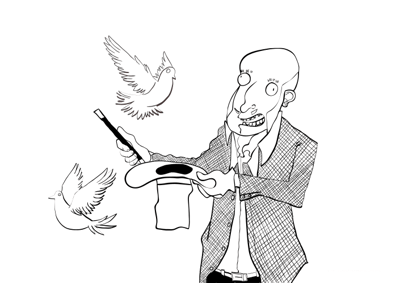
Wants: to make things happen and transform them. Fears: unintended consequences.
Magician brands promise transformation. They sell the experience and what it turns you into, not the specs.
Examples: Disney, Dyson.
In video: rich, saturated colors and moments of reveal, where an idea draws itself into place. Before and after structures work well. A warm voice with a sense of wonder.
9. The Lover
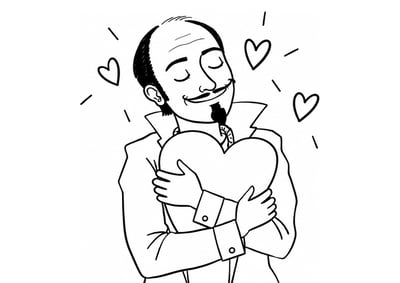
Wants: closeness and pleasure. Fears: being unwanted.
Lover brands promise indulgence and connection. They focus on how something feels, and they can't afford to look cheap or purely transactional.
Examples: Godiva, Chanel.
In video: deep, warm tones such as burgundy, gold or blush. Elegant type and generous spacing. Slow reveals. A low, intimate voice.
10. The Caregiver
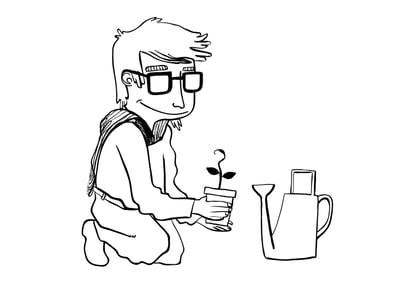
Wants: to protect and help others. Fears: selfishness and ingratitude.
Caregiver brands promise support. They're compassionate and reassuring, and the worst thing that can happen to them is to be seen as exploiting the people they claim to protect.
Examples: Volvo, UNICEF.
In video: soft blues and greens. Clear, legible type. Step-by-step structures that make the viewer feel looked after. A gentle, patient voice.
11. The Jester
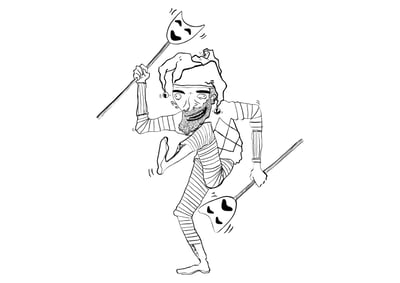
Wants: to enjoy the moment. Fears: boredom.
Jester brands promise fun. They're playful, irreverent and often poke fun at themselves, and their audience tunes out anything that takes itself too seriously.
Examples: M&M's, Old Spice.
In video: bright, clashing colors and playful type. Fast pacing, visual jokes and characters. A lively, expressive voice with good comic timing.
12. The Sage
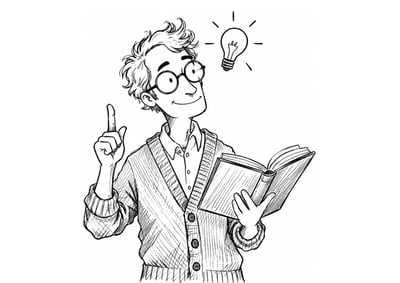
Wants: to understand the truth. Fears: ignorance and being misled.
Sage brands promise wisdom. They trust their audience with complex ideas and should never sound dumbed down or patronizing.
Examples: National Geographic, TED.
In video: a calm, neutral palette with one accent color. Clean sans serif type. Diagrams, timelines and ideas built up one element at a time. A clear, authoritative voice.
Choosing your archetype
Start with your audience rather than yourself. Ask what they want most from you, whether that's reassurance, momentum, expertise or a laugh, and pick the archetype that delivers it.
Then check it against how you already talk. If your emails are full of jokes and your videos sound like a legal briefing, one of them is off-brand.
Most brands pair a main archetype with a supporting one. A training provider might be a Sage with a touch of Caregiver: expert, but kind about it.
Make it stick in every video
Knowing your archetype is the easy part. Keeping it consistent across every video your team makes is harder, especially when several people are making them.
That's what Brand Kit in VideoScribe is for. Set your brand once and every new project starts from it:
- Brand colors. Save up to eight colors, and they appear as their own row at the top of every color picker, including scene backgrounds.
- Text styles. Set your fonts and text styles, and new text picks them up automatically.
- Logo overlay. Add your logo, and it appears on your previews and downloaded videos.
Brand Kit applies to new projects and new elements, so existing videos keep their current look. It's available on the Max plan.
Your archetype should also shape the voice. When you create a voiceover in VideoScribe, you can choose from a range of AI voices by language and accent, and turn your script straight into a voiceover in one click. A Sage script read in a Jester's voice will confuse people, so choose the voice as deliberately as the colors.
Try it with a template: Our Story So Far is a natural starting point for a brand story, and Explainer Collage - Brooklyn suits Creator and Jester brands.
Put your brand personality on screen
Try VideoScribe free and turn your archetype into a video that looks and sounds like your brand.
Start your free trialRelated reading: 8 powerful storytelling techniques for unforgettable presentations · The 7 universal plots that still entrance audiences




COMMENTS